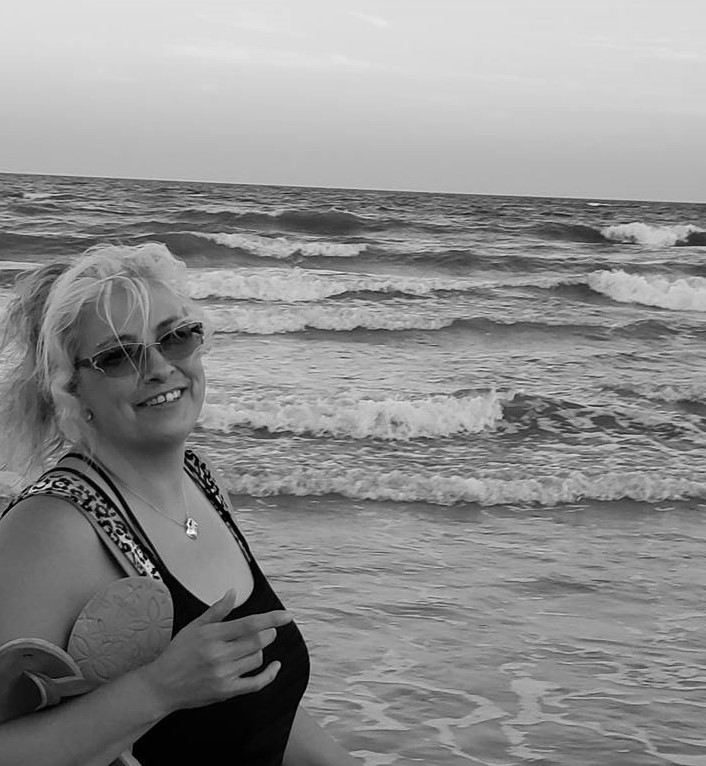
Hello, my friend. I am Teresa Adams. Currently, I live in Western Massachusetts, but I spent twenty years in Eastern North Carolina near Camp Lejeune and Topsail Island, so I call two places home. The beach with the warm salted air and the New England woods with crunchy brown leaves each call to me, so I answer to both.
My name is also Jack and I have just a few trades. Writing is what I do best, but I also love to play songs on my red piano, walk barefoot in the woods that surround my house, and bake sweet treats like cream puffs and crème brûlée. There’s something about opening up a soft vanilla bean and scraping out the delicacies inside. I found a knack for using old items like quilts and jars to decorate new spaces, and I can knit anything with four rightish angles.
The old me is someone who used to fight fire with the coolest group of people, and a girl who was married to a hero. I now attend Westfield State University as a non-traditional student with the most loving and talented group of professors and other English majors.
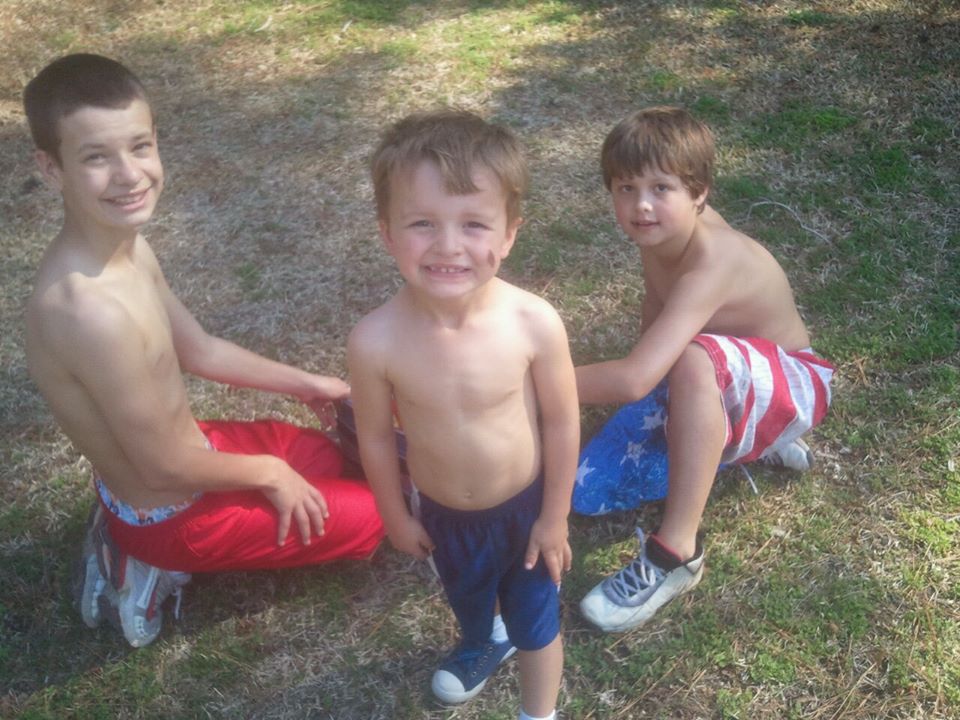
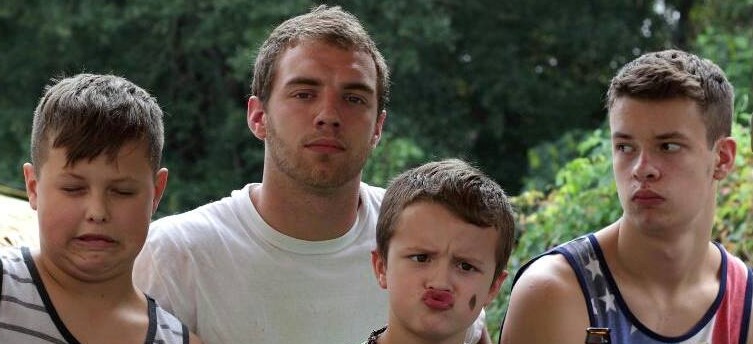
When I have a moment, I play a card game called pitch with my four sons, sit with my many chickens who all have their own names like Norma Jean, Peow, and Djin Jarin, and the doors on my Jeep will be off from May until September. It is all wonderful therapy for some difficult writing I sometimes do.
In the past year I began my memoir about my life as a war widow and committed to finishing it before summer opens her arms and buds. I will finish the book in order to clear my mind and make room for the next big venture, some freelance work, and upcoming important blog projects, which I’ll do at home.
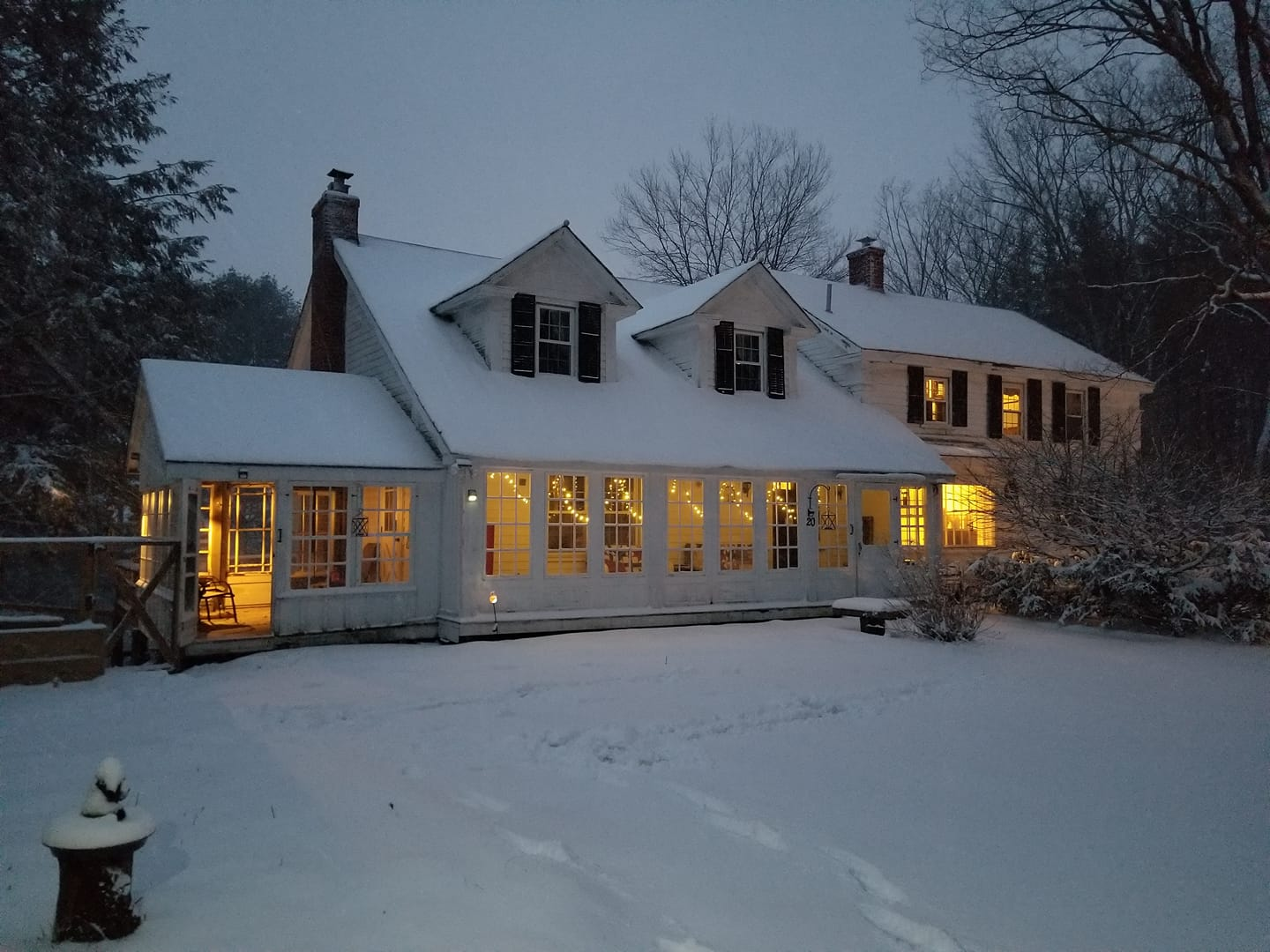
I currently live in an old white farmhouse next to a red barn with three of my four sons. My oldest graduated from North Carolina State and lives at the beach in North Carolina. We are kept company by three German shepherds, two cats who wear tuxedos, sixteen chickens, a few mice who live in the basement, and a bearded dragon, Ringo.
First of all, I must address the word “meeno.” It’s a word that was created by the one and only Samuel Adams when he was a tot. I recently mentioned Sam’s obsession with tomatoes when he was small, and the word is still running smoothly through our family chats.
Sammy was four with white-blonde hair and Coppertone-brown skin from hours spent in our backyard pool on Shamrock Drive. He was trying to let go of my hand, and our mingled sweat from the warm July day gave him hopes of an escape. We walked from the van to the sidewalk, Max on my right hip and Sammy screaming as I calmly dragged him behind. It was shot day and he knew it.
There aren’t enough synonyms for the word amazing. A professor I had at Coastal Carolina Community College in Jacksonville, NC, told our class about a cool tool in Microsoft Word, where you can right-click on the word you want to find synonyms for, and it will offer you a list of them.
“Why is there blood all over the bathroom?” I asked all the boys, not connecting the very large gory dots to anyone in particular. There was toilet paper covered in blood in the Red Sox trash can and drying red drops peppered the off-white sink.
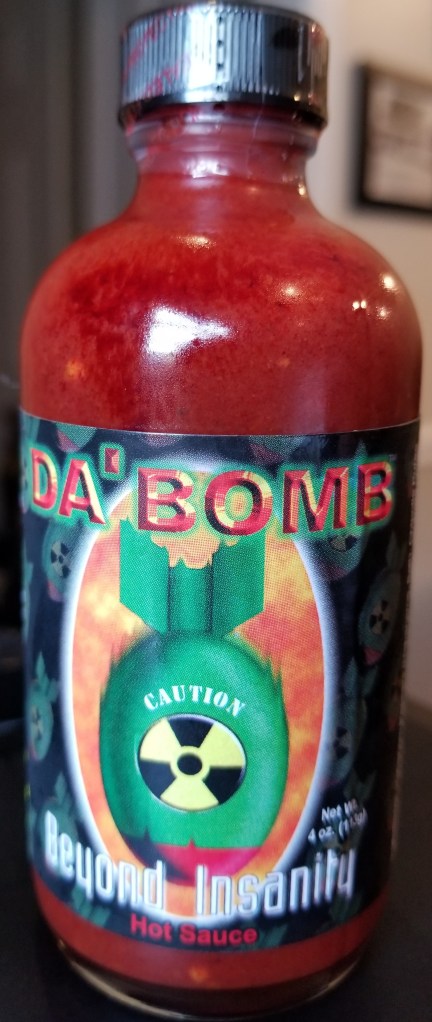
Other than a slashing burn on your tongue, gums, and delicate throat, Da’ Bomb hot sauce offers your guts twisting cramps that begin at the base of your insides then dillydally through your organs and fat bubbles to your lower back. There it lingers until it casually fades leaving a dull ache. You are then gifted with about five minutes of hope that it has passed, until the warmth reappears and recycles with its crimson heat.
This challenge is the product of a well-calculated peer-pressure type event, and in my case, it was caused by my oldest son, Tyler. He watched a show called Hot Ones on YouTube that is hosted by the babyface, soft-spoken Sean Evans.
Evans speaks with the enthusiasm of a middle-schooler proudly reciting the preamble to the Constitution with a background of inspirational Olympicesque tunes all while directing your eyes with his finger guns. On his porcelain palette of a cleanly shaven head he wears a neatly manicured red beard and mesmerizing psychopathic green eyes. The angel of light shares the experience with his guest, reacting like a crying defendant with no wet tears.
Evans interviews celebrities like Idris Elba, Kristin Bell, Paul Rudd, and my favorite, Pete Davidson while they eat wings, sometimes bird, sometimes vegan. The sauce used on the wings becomes progressively hotter forcing the interviewee to be stripped down to their vulnerable, gelatinous core. And you can’t look away.
“Hot sauce has a way of humbling you, especially this one,” Sean Evans said in an interview with Drew Barrymore in August of 2020 via Zoom. He was speaking of their seemingly hottest sauce, which is number 8 out of 10. It’s called Da’ Bomb. (See below.)
As the veteran actor is visibly distraught from the effects of the bite she just took which was dressed in Da’ Bomb, Evans politely continues to rattle off questions about her career and daily life, a tactic he uses in all of his 219 episodes, showing no remorse or concern as he inquires. It’s brilliant!
I wondered why Tyler kept asking me if I watched the show so I did, and became hooked. Then, Tye said he ordered some of the sauces from the show, and that’s when my nerves started. We tried it. It was me, my three youngest sons, and our family friend, Ben. I tried to talk them out of it and especially concentrated my lessons of peer pressure on my youngest, Baylee.
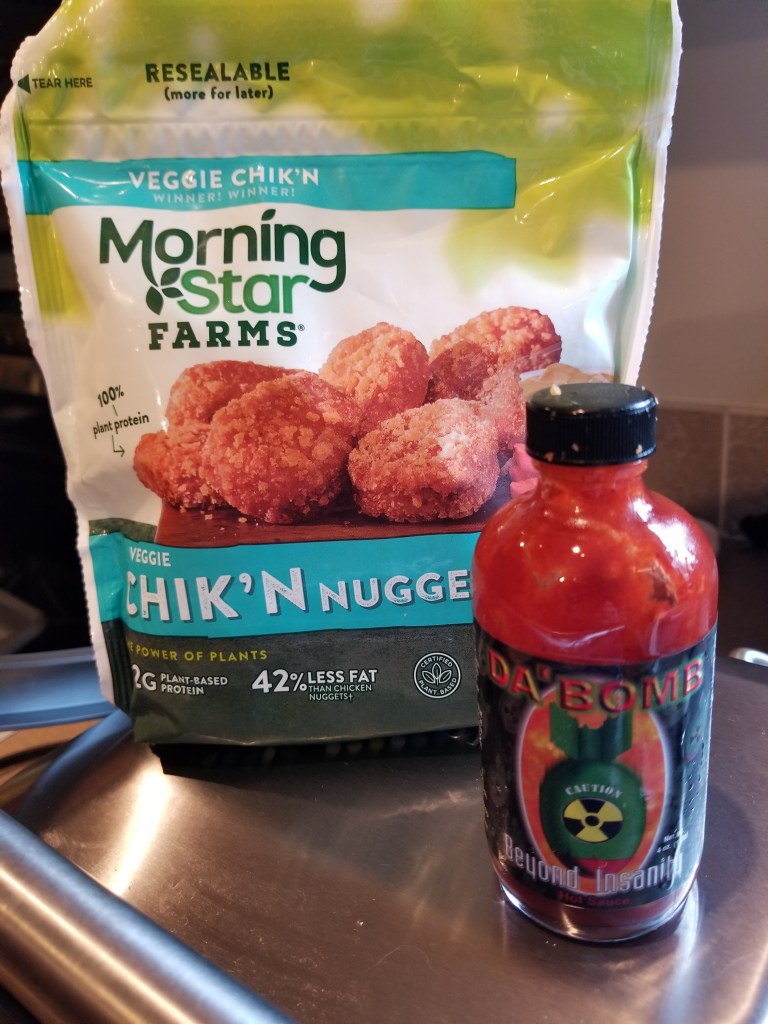
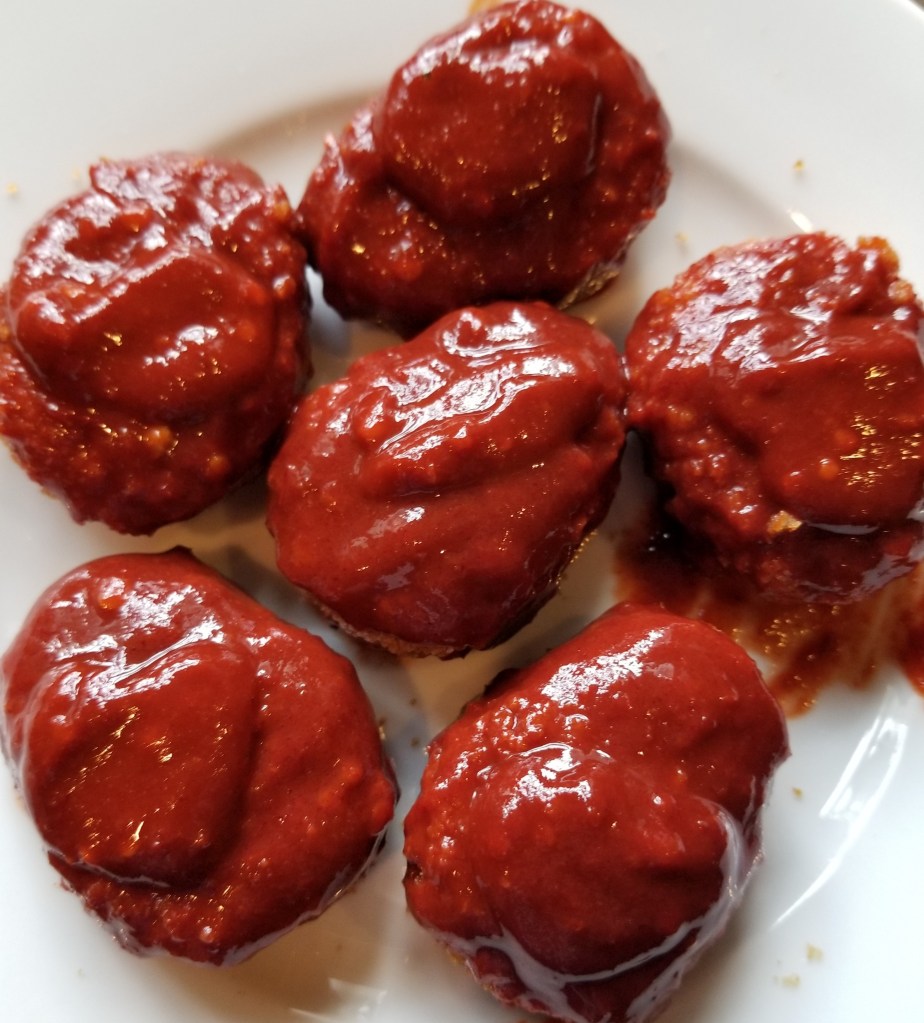
I took some Morning Star Farms Chik’N nuggets, dunked them in the sauce that’s the color of dried blood, then baked them for 18 minutes. The world stopped as our past few days of anticipation was finally in our sites. We all took a bite, and while I was taking my second, the boys’ eyebrows lowered, and their weight shifted from foot to foot. Their mouths were opened like comedic alligators and their hyperventilating breaths were doing no good with the inhaling and exhaling “hees” and “haws.”
They paced and did pirouettes with their six-foot frames as their inner little boys took over causing them to alternate guzzling milk and lemon-lime Gatorade. The constant dancing and drinking lead them to the bathroom or nearest trash can where they unintentionally gifted their mouths with another taste of the putrid mash. I posted a video of our challenge for your diabolical enjoyment.
It burns down deep through the thin skin at the roof of your mouth through your nostrils creating the most unattractive drip. There is an overwhelming desire to wipe your eyes and dab your forehead which is thinly veiled in a cold sweat, not like you just ran a mile, but like you’re ill with the flu. You tell yourself not to lick your lips and no matter how hard you try not to, you just do with the instinct of a dog who kicks the ground after he pees.
There’s a sense of camaraderie that accompanies the challenge. People don’t just do this without video evidence or by themselves on a Tuesday night. That would be weird. It’s social. They do it to complement their fists while they pound their chests, to simply create new commiseration material, or for a spicy dose of relativity, as told my son, Baylee, 14.
After his pain began to subside, he said, “I feel really good, like better than I did yesterday.”
The Blues are the superior uniform of the Marine Corps. They call the jacket a blouse, and it is navy blue, so dark it looks black. I would rub the heavy, soft wool against my naked arms and watch the bumps rise. The blouse was trimmed in scarlet, and there were gold buttons straight up the front, three on each arm, and one on each shoulder. The collar had an Eagle Globe and Anchor, or EGA, shining gold on each side.
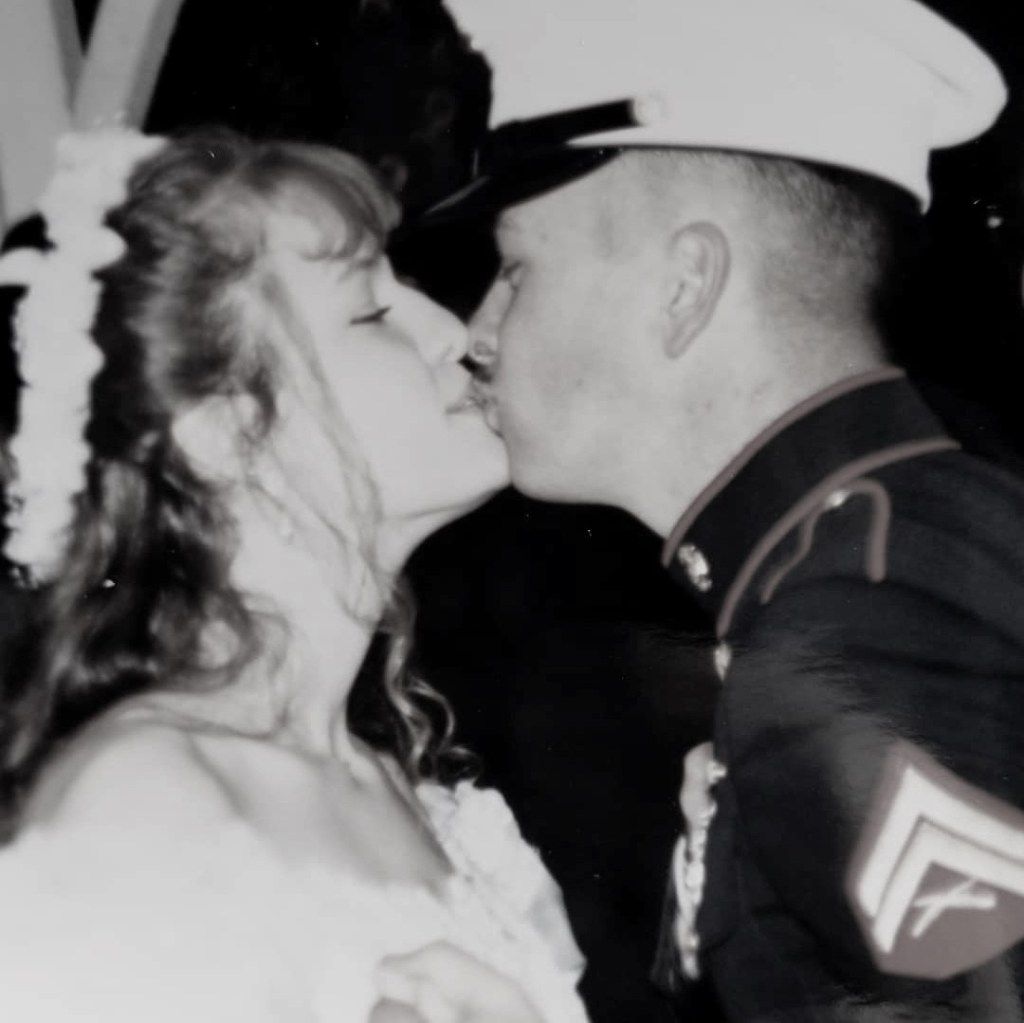
My Marine was decorated with multiple ribbons on one side and clinking medals on the other. On his upper-arms, he wore his rank, scarlet and gold, proudly displaying his non-commissioned officer status as a corporal. There was a white belt that clasped with a gold buckle, showing his trim waist. The pants were royal blue and after a certain amount of time in, he earned his blood stripe, which is a sewn red line from hip to ankle on the outside of both legs. His black patent leather shoes looked liquid and whispered when he stepped, and the wide, metal-framed white hat, or cover, sat low over his brown eyes, and complemented his full lips.
I wore a form-fitting, long, black velvet dress with matching sling back heels. I walked out of the hotel room and Roger grinned with his eyes as he looked at me. My hair was long, down my back in loose, glossy curls that felt soft on my bare skin. We were ready for the Marine Corps. Ball.
People were doing shots of Jägermeister, and their laughter invited the green odor to dance around the ballroom. There was a ceremony, then dinner of roast beef with gravy, and always mashed potatoes, no lumps. After we rested our full bellies, we ate a piece of the massive white cake with sticky red trim that was not known for its flavor.
My family and I were sitting at the table sipping vodka, straightening collars, and replacing lip gloss, when I started to wonder where Roger was. After a minute, I heard his voice echoing loudly over the hundreds of people partying. “May I have your attention please?” I thought he was talking to a friend, but he was at the podium at the front of the room, hands controlled in front of his waist, head slightly tilted, and the microphone receiving his question.
“Teresa will you come up here?” Oh, gosh. I saw his slight, nervous smile.
There were hundreds of people, including my family and many friends, all dressed in their sparkly gowns, Dress Blues, and suits saved for weddings and funerals. The lights had dimmed since dinner, and there was no music. I stood and made my way towards him. There was flat, crimson ballroom carpeting, dark with golden swirls, and many chairs in my way as I lifted my feet higher than normal as to not trip.
Bright camera flashes gave me a white tunnel directly to him, and I felt people’s eyes on me. The path gave me time to wonder and hope. It invited me to remember flashes of our talks.
“We could just get married now,” he said months before. His tone teased but his eyes wondered.
“Now?” I replied. We had a private moment to talk after taking Tyler, who was three, to Casper the movie.
“Or we can wait,” he said.
“No, no, no, I can’t live away from you any longer,” I said.
I brought myself back to the present and continued my walk up to the podium, my hands were damp. My skin pricked and butterflies were crawling up my throat. My legs wobbled until I found his face. His smile was wide and warm, probably happy I didn’t run out of the room. I forgot about the other people. In his eyes, I found safety and adoration, and I finally noticed that he was shaking when he held my hand.
“Will you marry me?”
“Yes,” so only he could hear me. “Yes.” I felt my face stretch as he put the ring on my finger.
“What did she say!!??”
“She said yes! Wooohoooo!” The room shook with cheering and clapping, and he raised his hand that wasn’t holding mine in celebration.
The Marines were roaring with shouts of “Oorah!”
We showed off with a long, respectable kiss. The band played our song, “I Swear.”
He wore those same Dress Blues one month later at our December wedding in the snow. I rented my dress for $80 and wore my plaid sneakers to tease him. He didn’t know until we were officially married. The gazebo in Easthampton, Mass. was surrounded by Christmas lights and sweet, undying love.
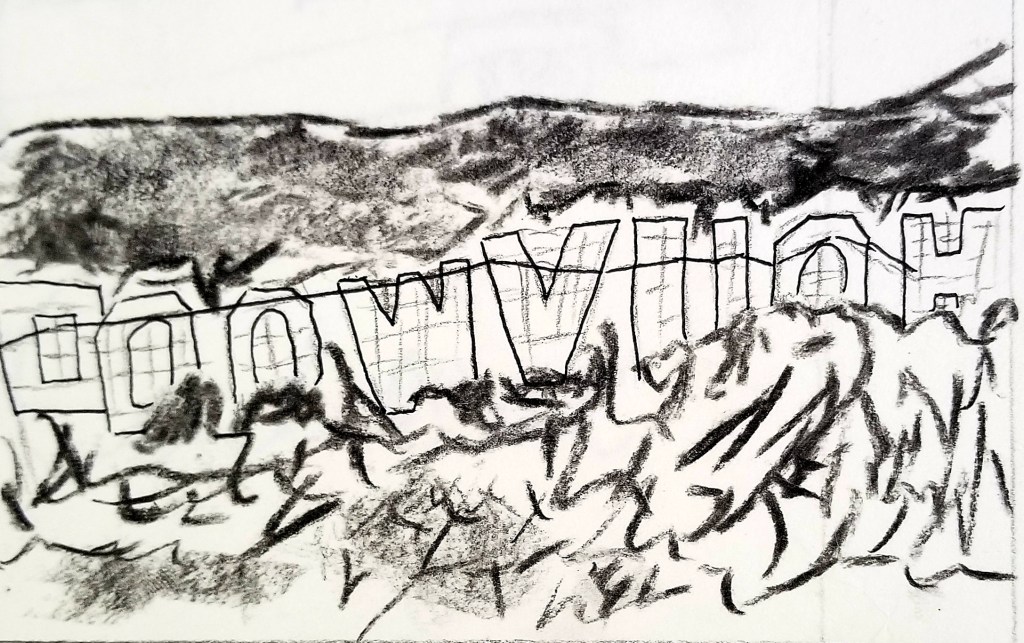
Charcoal drawing by Maxwell Adams titled Backwards Hollywood
*Spoilers Quentin Tarantino blankets the big screen with a 1960’s ambiance as he reconstructs history in Once Upon a Time in Hollywood. He successfully enhances the despair that existed in 1969 when Charles Manson directed his followers to murder Sharon Tate, her unborn child, and her housemates. On the big screen, he turns the tables of the real-life bloodbath, and in doing so, he successfully magnifies the misery of the actual event.
The well-known movie creator uses his darkly colorful style and his arsenal of the actual events of the past, a recreated history, and trendy advertisements from the time period to share with us a delightful dish for our eyes. His focus is on the Manson murders with little mention of the tyrant himself, but more about the life of Sharon Tate at that time. He reconstructs history by saturating the vibe with sensory details Sharon Tate herself would experience while she walked barefoot down Cielo Drive, dancing to the music that lives in her free mind. Tarantino uses the human senses to tell his new story of old history with color, his own brands, vibrant memory-inducing fabrics and styles, and music from decades ago.
Tarantino’s use of tunes from the past sets the mental stage for his movie, even a song that Charles Manson wrote called “I’ll Never Say Never to Always.” Manson does not have a part on the soundtrack, rightfully so, no matter how catchy and sweet his song sounds, but listening to a group of young women sing the song while walking barefoot down the city streets of LA adds gloom to the sunny setting in the movie. Songs like “Hush” by Deep Purple and “Mrs. Robinson” by Simon and Garfunkel set the mind’s stage to a 1969 atmosphere. There are also different versions of songs like “California Dreamin’” by Jose Feliciano, which offers a more ominous sound than the other, more well-known and chipper version by The Mamas and the Papas. This lends a hint to Tarantino’s audience of a less than cheery setting. Another thing that darkens the mood are the historical facts that did exist during the days of Sharon Tate, offering Deja vu to viewers who lived during that time, and a true likeness of the era to those who are too young.
The most vibrant authenticity comes along with the face of the character Sharon Tate. Even her sister claims the likeness is astonishing, including her sweet, gentle demeanor, her quiet voice, and free spirit. Margo Robbie portrays Tate and her loving qualities freely allowing the harmony to juxtapose the brutal murders that happened in the true world. One way she does this is by bouncing down the street on her toes, feeling a high from having watched herself on the big screen, showing her humility. The movie theater she visits is littered with posters and run by a girl who takes Tate’s photo even though she doesn’t know who she is. Tate’s interaction with the girl and all others in the movie shows her generous nature and this flows from scene to scene as she smiles, waits for them to speak first, and offers hugs frequently. The scenes that are blessed with Tate offer smooth beauty and classic clean lines with no interruptions.
The only breaks during the two hour and forty-minute flick are classic radio ads, which don’t take the viewers’ attention away from the story and time but allow them feelings of “oh yeah” and nostalgia. Historically, radio ads are omitted from movies. Who would want a commercial interrupting the atmosphere of a movie anyway? Tarantino invited brands like Mug Root Beer, Tanya Tanning Butter, and even Numero Uno Cologne to enhance the ambiance of the film. Also included in the queue in the soundtrack are local ads like one for a Vagabond High School Reunion, and even a weather report for KHJ, a popular radio station in LA, where the cheerful women sing, “Los Angeles Weather!” and the deep male voice of a radio announcer speedily says, “Low overcast tonight low around 58, mostly sunny tomorrow with a high of 68.” The sound of the ads act as an eerie addition to the already unsettling time period in Los Angeles, inviting the audience to bring back to their senses the scent of vinyl warmed by the sun, and a cigarette that drapes off the ashtray, acid-dipped or not. The ads play in the car of Brad Pitt’s character, Cliff Booth, as he picks up a hitchhiker, one of Manson’s family members named Pussycat, played by Margaret Qualley, a beautiful young seductress with all sorts of hair on her body. Tarantino keeps some of the names and characters of the time like Tex and George Spahn at the ranch, blatantly omits others, and creates his own, but Manson’s part is trim and curt.
Although Charles Manson is the focal historical cult leader in Once Upon a Time in Hollywood, there are scant hints of his existence, and the facts are pristinely accurate. Spahn Ranch, the property Manson and his “family” called home, is portrayed as if the footage was taken from a 1969 news story. Manson’s followers are characters in the movie as well, but the character, Charles Manson, played by Damon Herriman, only appeared in a short, yet creepy clip, minimizing his existence and repainting history, taking away from him the glory of the murders he committed with other people’s hands. In the character list, he is called “Charlie” which also shows Tarantino and Hollywood’s hate towards the historical villain by leaving off his well-known last name.
Remember: Spoiler
With the ending comes the sparing of a very pregnant Sharon Tate and her housemates who were killed in real life. Although Tate and her friends were saved in the movie, it does not mean the ending was bloodless. The violence that comes at the conclusion mirrors the anger felt by Hollywood and people around the world in 1969, creating an ending with no loss. Accompanied by the eerie song “Miss Lily Langtree” by Maurice Jarre, the happy-ending occurred, but the juxtaposition of the heavenly big screen conclusion and the real-life murders is not as satisfying as one would expect, because the truth is evident in history. If anything, it makes it more unbearable.
I woke up this morning and felt the cool air come through the window into my bedroom, a nice break from the heavy thickness that has been lingering around town lately. I breathed it in and allowed it to turn into the feelings of autumn. My eyes remained closed as it speared its way through my mind with images of pumpkins and sweaters, until it found my basket of reasoning right next to my closet of rationale. At that, my eyes snapped open and panic set in. Again. Still.
These next few months will be quite full. I am merely expelling my growing inner concern and simple nervousness about wanting it all to fall into place. I’d love to sleep at night.
(Wow this feels good.)
I don’t hate it in Massachusetts. We simply don’t fit in and that’s OK. So, we’re off to North Carolina, where we belong. Where my Tyler is. Home.
I own a house in Southampton, MA. It’s a gorgeous 1800’s farmhouse that needs love. It will need to be cleaned and sold and I don’t see how that will even work with us living here. Have you met us? Have you met David? He’s loud.
This is David
Also, as I look at the place from a different perspective like from a mother of a darling little lacy girl, or the cleanest queen of Pinterest, I worry. I begin to notice, more, the hand prints on the ceiling from when Baylee finally could touch it with a spry jump. He keeps testing that theory, and so do the others (maybe me, too). Also, apparently when one walks up or down the stairs, the white walls are irresistible to the smear. If you have boys, you know what smear is.
I also see the gobs of dog hair that were missed by Max’s daily big-brooming. There are the most charming slants here or there in the house, a marble’s delight, possibly from being here for about 150 years. Also, our forsythia bush is overgrown because in the winter “the animals in there will be cold” and in the summer “but what if they have babies in there” so now it’s a giant mass of green waving vegetation. I realize this will be quite the job.
I love this house and its quirky angles and very wild wildlife. It’s eccentric with its whimsical creaking doors and out-of-place scent of lilac in the winter. I listen at night to the packs of coyotes traveling along the game trail, and I will miss locking eyes with a bear or young deer while I hang towels on the line. But, it’s time, and we need to work.
Want to live here?
Sammy is going to finish his degree in a hybrid environment as an environmental science major. I am overwhelmed with pride for this kid, and I know he can push through it, all while he maintains his position as my sweet listener.
Max will enter into his sophomore year of college which will be remote and is also learning to drive, and (oh yeah) he still has to decide where he wants to go next semester in NC.
Baylee, the youngest who just turned fourteen will be learning remotely if it’s allowed. Otherwise, we will find the right program for him to enter into homeschooling.
I will also enter into my last semester at Westfield State, and have tacked an internship on to that. During that time I will also be looking for a job. A job. I’ve stayed home with the boys all these years, so, yikes to the second power.
Why not wait until next spring? Because we already did that once and here we are. We are ready now and we want to leave as soon as we can. Baylee will be schooling from home so that part won’t matter. I am hoping to work remotely, and Sammy has that option as well.
Palms sweating again.
I dip deeply into my brain’s little knock-off purse with sequined hunter holly leaves and shiny red berries. In it are what Christmas could look like if we pull this all off. I go there when I need some supplemental energy. It tastes like peppermint and smells like a deep green Frasier fir that’s littered with tinsel and Popsicle sticks with dried Elmer’s. Roger’s village will be up no matter where we are, in a camper or cabin, on a mantel or the floor. I keep those hopes tucked away in the sequined purse because they can’t roam freely. It’s mine to look at when I allow myself to. My own little syrupy pill that helps me sleep.
I don’t care what the house we’re in looks like. We may rent until this place sells or buy something cheap in the mountains that we will live in temporarily. All we need is a place that has no cockroaches, no neighbors or ones who love roosters, and room enough for each of us to have our own little space.
I see us wearing brand new pajamas from Old Navy with prints like snowflakes or Superman. We will feast on something with white gravy or chocolate sauce, and soak in our brandnewness. I almost can’t handle that day already, but it’s all I want. It’s what we need.
We may have been in a local bar in Western Mass., at the gazebo on a warm July day in Easthampton at the rotary, or even at an outdoor pavilion surrounded by a setting sun and dancing people, barefoot, fun liquid sloshing around in their red plastic cups. He also played music at Jack and Jill celebrations in American Legions, surrounded by dancing smoke and the scent of crock pot lazy Pierogis, and at birthday parties about ages that end in zero. Life stood still when he played, and people loved to listen.
Every time, I knew what song he would play for me.
“It’s called ‘Great Balls of Fire.’” At that, my Uncle Joe’s hands would dance around the keys flawlessly and his rich velvety voice would sing with smooth syncopation while it accidentally commanded attention. I don’t think he had to even look where he placed his piano fingers, no crinkled piece of notepaper held the lyrics for him.
When he played that song, our song, the one I told him I liked when I was a little girl decades ago, I felt like a kid again, little and loved by my big strong uncle, the one who served in the Navy, the one who really loved cats, and the one I shared my love of music with.
He played in a band for most of his life, many bands actually. His favorite music to play was old rock like “Penny Lane” by the Beatles or “Green Door” written by Jim Lowe in 1956, a peppy and very catchy song that offers a riddle about what’s behind the green door that is making people so happy. Uncle Joe sings the lyrics, “Don’t know what they’re doing. But they laugh a lot behind the green door.”
Oh, Uncle Joe
He was Joe Joe, a guy who said what was on his mind, even if maybe he shouldn’t. That’s what made him so real.
I remember the phone call we had after I lost my husband in 2009. I was in North Carolina and Uncle Joe was unable to fly down. We didn’t talk much. All I remember is hearing him choke out, “I love you.”
Years later he talked about his college and said I should give it a try.
“I went to Westfield State College. I think it’s called Westfield State University now,” he said. “It’s a great school.” I took his advice, and this December I will be finished with my degree at WSU.
I never wondered with Uncle Joe whether I was loved by him. He showed me by carrying around a giant bucket of Lincoln Logs he bought for me at Caldor, and by not getting mad when I got sick at McDonald’s. All over the place. He was kind when he found out I was seventeen and pregnant, and he always looked happy to see me.
How I will always remember him
It was rare to see him without a smile all over his face, and he didn’t simply walk into a room; he bounced. He had a strut stroll that was more of a cool saunter with rhythm, like coolness took no effort with him.
I still hear his deep, booming voice in my mind, and am thankful that he lives on in recordings of songs he played, present tense, but more than that, he lives on in me through the love that I have for him.
Rest, Uncle Joe, not peacefully, but full of oldies, cheeseburgers, and long-haired kittens.
July 13th has become a favorite of mine when she enters the world dancing and celebrating. The date indicates the beginning of peace for me, and a termination of the seemingly eternal six-week period of time when memorable dates congest my breathing and weaken my body.
Also, during this long stretch of time, I feel the cloud around me, the one that places a haze over my individual self, violently stuffing me back into my blaring widow status. Any of my personal accomplishments, good moods, or peaceful days are to be set aside until the certain dates go by. The boys’ lives are paused as well. Another thing that makes these days heavier is being the “sad one” all the time. I am associated with bummer-like feelings, and July 13th brings me back.
As the years go by, people still celebrate him on all of the dates, and I pray it remains that way. If people forget him, I will lose a little of me, so I don’t want it to stop, but it takes work.
Memorial Day begins before the actual weekend with posts and photos, and I will always be grateful. We all dip into the tepid pool of memories and deliver them to each other in the form of Facebook posts, old, pixelated photos, and emails. This year was particularly peculiar with its lack of ceremony and personal connections, yet still it wedged its ghostly barbed form into our hearts.
After we memorialize our fallen, we celebrate Father’s Day which has become blurry with false cheers for the future which we don’t have with him. For some reason, the sun shows brightly each year attempting to heave up my pouty mood. Maybe she’s mocking my fake smiles and closeted crying with her cheerful rays.
After Father’s Day comes June 29th which marks the anniversary of Roger’s death. This year we acknowledged it for the eleventh time. As the years pass by in their modern vehicles, I become less confident in time’s ability to mute the sadness. I just willingly become tired because it’s easier.
The significant dates linger, too, by my own choice and fault, because I stay off social media on those days as much as I can. I respond the day after, which I suppose is counterproductive to condensing the feelings of all the special days.
Roger’s birthday is Sunday, July 12th.
He would have been forty-eight, with gray hair, maybe, otherwise the same. As always, I would have teased him because he is older than I am, and he would have crossed his eyes, scrunched up his nose, and made the most obnoxious face at me while he cackled.
There would have been pineapple upside-down cake as with any special Roger day, probably some type of cheeseburger, and so many fries, crinkle cut, with lots of Heinz ketchup and extra salt. I would not have given him grief about having too much Dr. Pepper, and Busch Light would have joined him to the end of his evening while we swam with the squeaking bats in our backyard pool.
The boys would give him gifts of heavy handfuls of dried clay shapes with gobs of primary colored paint placed carefully on their surface. They would look nervous when he opened their individual gift, making my heart stop for just long enough to reset me. I would have wrapped t-shirts with funny pictures on them, size large, a giant Zero bar, some router bits, and a book that he would love more than I thought he would.
I remember the first birthday of his after he died, the day we had his funeral, July 12, 2009, but a year after that leaves its spiny quill in me the most.
We made a pineapple upside-down cake, of course, and let the day pass. It was getting dark so the time came to light the candles. The kids were happy and giddy, I mean, it was a birthday. I stood on the back deck with my vodka drink and freshly lit Camel Crush after casually saying, “Go on without me.”
The lights in the kitchen turned off and I saw the cake through the back window, floating around on its own being held up by an orange halo of candles. He would have been thirty-eight.
I listened to them sing to him.
“Happy birthday to you. Happy birthday to you. Happy birthday, dear dadddddddddyyyyyyyy. Happy birthday to you.”
I choked.
After that year, we quit doing anything traditional on his birthday. I don’t make a cake and we don’t look at photos. We just exist in the thickness of the date, waiting for the day to pass, longing for the arrival of July 13th so we can, without explanation, live as regularly as we can.
I don’t think there’s a right thing to do. We celebrate him every day and he’s never away from our minds. Sometimes, though, it’s just too much.
When I moved from Massachusetts to North Carolina in 1995, I worked at Helen’s Kitchen, a country restaurant in Jacksonville, where I learned about the different foods offered in my new military town. I also was taught how to speak the Southern food language, and to appreciate the culinary differences between my two home states.
If you say, “I’ll have tea,” in MA, you will be served with a steaming cup of hot tea. Sometimes it will come with a tiny metal pitcher of hot water with the little thumb tab. Tink. Other times, it will come in a large Styrofoam cup with a lid, tea bag dangling off to the side displaying your preference. Green?
In NC if you say, “tea, please,” you will get a large glass of iced tea, sweetened with a syrup made on the stove with sugar, water, and love. A request for hot tea in NC must be specified, and unsweet tea should be asked for quietly. Sweet tea can be quite the cure for too much Jack Daniels the night before, and will repair wooziness from low blood sugar or heartbreak. People drink sweet tea daily with their country ham, chicken and pastry, or even while they nibble on a pig’s thinker.
“What are brains and eggs?” I asked my friend, Opal. Only once.
“Honey, they’re brains and eggs,” she answered, amused.
“Like real brains?” I asked.
“Yes, hog brains,” she laughed.
Brains were the most delicate pink, as expected, and came in a small can. The cooks would mound them up high on a plate next to a heaping gob of bright yellow scrambled eggs. Usually, the consumer would mix the eggs and brains, and the soft mixture didn’t require much chewing, unlike the empty hot dogs that were served, also known as chitlins.
Chitlins, or chitterlings, is another food I had to get used to the scent of. They are made with hog intestines and when they were on special, their pungent scent would dance around the restaurant all day long. They were usually dressed with red pepper flakes and people would put extra vinegar on top of the heap. I remember holding the plate steady so the jiggly, brown chunks wouldn’t slide off onto the floor. If one piece wanted to jump off the plate, a quick flick-of-the-wrist would place it gently back with the rest.
Let’s fix our grossed-out brains:
Helen’s also turned us on to biscuits, sausage-gravy, tangy, vinegar-based pulled pork, and hush puppies. After many failures, and burnt biscuits, I learned.
There are many foods from North Carolina I practiced then added to my mind’s cookbook that are considered favorites of me and my sons. I now make skillet corn bread, the creamiest macaroni and cheese with a spicy topping, and one of our favorite foods from NC, banana pudding.
The following recipe is for a dessert that is requested quite often for special occasions or by the most cherished visitors, like my niece, Shyla. It is always in a very large, heavy bowl, surrounded by happy people and sometimes colored eggs or decorated winter pine. It has served well as a weapon in a food fight, and tastes the best in the middle of the night with only the fridge light to illuminate the delicious sweetness. After many attempts at making it perfect, I finally came up with the most decadent recipe.
Recipes for banana pudding can vary, and I have perfected mine through years of observing and trying different ingredients. Simple is best.
My Banana Pudding
(You will want to at least double this.)
1 block of cream cheese, 8 ounces, softened
I large container of frozen whipped topping, thawed *
I small can sweetened condensed milk, 8 ounces
1 box of instant banana pudding mix (or vanilla then add 1 tsp. of banana extract)
2 cups whole milk
1 box of vanilla wafer cookies
A few bananas
Beat cream cheese, sweetened condensed milk, pudding mix, and milk until the lumps are mostly gone. Fold in half of the whipped topping. Once that is incorporated, add half the box of wafers, not crushed. (The wafers will absorb the flavors.) Once mixed, carefully place the rest of the whipped topping neatly on top of the rest. Layer with the remaining wafers. The bananas can be added to the main mixture or the top, but any leftover (I laugh) pudding will turn brown quickly if bananas are in it. I usually add them right before serving, or sometimes not at all.
*Normally, I would say to use homemade (or even canned) whipped cream, but in this case, tradition dictates the use of whipped topping.
They are out of Cinnamon Toast Crunch, my shopper messages me from the Instacart App. Do you have a replacement in mind?
I hurry to answer. Anything is fine.
The exchange continues with more alternative suggestions and apologies. As we message each other, I safely sit on my oversized chair with a warm, pink quilt covering my legs. I sip my first morning coffee while Golden Girls plays in the background.
A week before, I sat on my sunny back porch with my steaming green tea and opened my Instacart app on my phone. I always go to bread and milk first, then choose my date for delivery. I ask the kids what we’re out of and it always consists of fun stuff like Coco Puffs and peanut butter cup ice cream.
I wonder about my shopper and if she is afraid. Does she have worries? Does she have a family, too? I also wonder if she is happy about the new income her family is earning, and what will happen when people start shopping on their own again.
Do we really need things like ranch dressing, sugar, and Friendly’s Strawberry Cake Krunch Ice Cream Bars? Maybe we should be eating whatever we can, not whatever we want. Is her life and health worth risking for our late-night snacking?
If you don’t like what I choose, my shopper messages me, please tell me.
I tell her not to upset herself, the entire time wondering about my morals. I figure if I get something we won’t use, I can give it away, and that each extra second she spends in the store is dangerous.
Why is she buying my groceries? They’re making money now when they normally may not, I get that, but what is the price of health?
Does the extra tip cover the risk? If my shopper gets sick, is it worth the Lucky Charms, whole-milk ricotta, or tater tots?
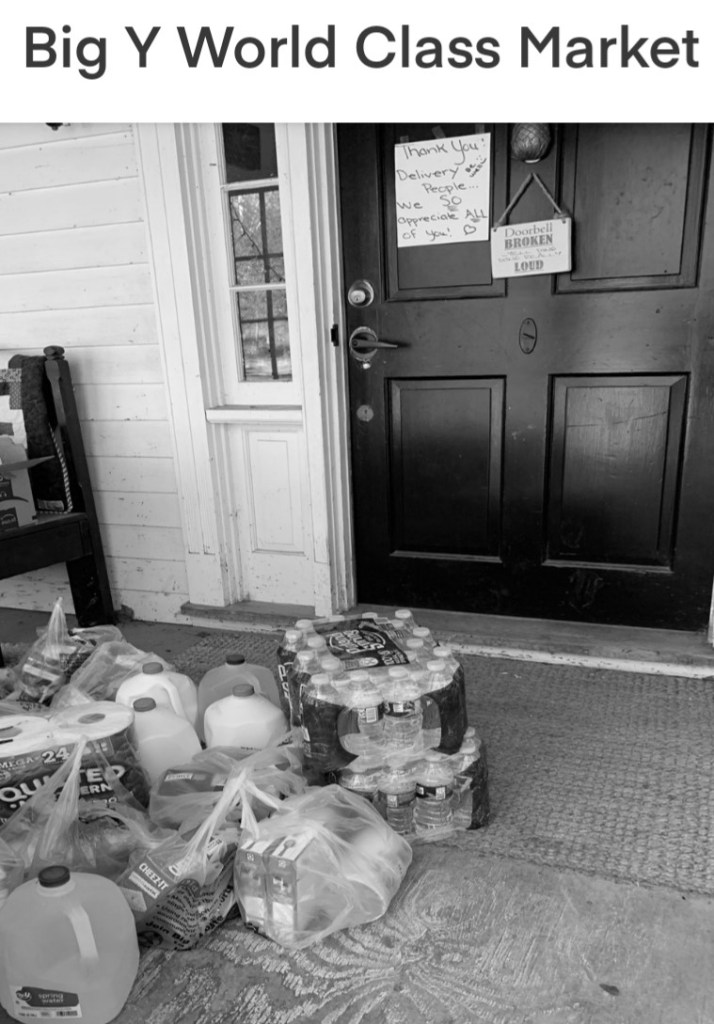
We close the curtains and remain quiet while she places our bags so neatly on the front porch. We try to keep the dogs hushed so they don’t scare her. When she leaves, we peak out the window and it’s like Santa just left.
“You got Smartfood!”
We wait an hour or two until the germs blow away or settle, then we dive in with our assembly line and a bucket of hot, soapy water. I scrub the items while my face begins to itch, and the boys dry and put them away.
“Don’t touch your face,” we each say several times to each other.
I miss shopping. Baylee would come with me most times, and he would bounce back and forth in the aisles and give me those puppy eyes when he wanted Sweet and Sour Skittles or the fancy water bottle. It was kind of our thing. He said “hi” to everyone and always thanked the helpers. One day soon, we will go again.
Until then, we are truly grateful for our shoppers. I hope you are, too.
The Southampton Community Cupboard at the Congregational Church is still supplying food to those who need it during the COVID-19 pandemic, but their supplies are running alarmingly low.
Mike and Candice Iwanicki volunteer their time at the town food pantry and their minds are always on feeding local folks who need a little help, but now, because of a global pandemic, they have another concern, empty shelves.
Fear of illness is causing people around town to have their groceries delivered, and some don’t leave their houses at all. This is leading to less donations in the boxes for the pantry at the local businesses that allow them like Big Y.
Other businesses that had boxes like the library and the Easthampton Savings Bank in town are closed because of the pandemic.
Just because there is illness in the air does not mean people stop being hungry.
“It doesn’t matter what their circumstance is,” Mike said. “It’s all the same feeling. It doesn’t make a difference. It strikes everybody the same. When you’re hungry, you’re hungry and you know it.”
Anybody is welcome to receive help from the pantry. It serves people in Southampton and surrounding communities. All you have to do is show up.
“This system has never required financial information,” Candice said.
Although Mike does not like the idea of people not being able to enter the church and shop during social distancing, he knows it is temporary, and is happy they are still open.
“People are usually able to come in and browse and decide what they want to take,” Mike said. “And what they don’t want to take, too.”
For now, things run differently at the pantry, but they are still operating.
“We give the people a bag and a slip of paper with some other choices on it,” Candice said. “We fill the second bag and deliver it to their car, now wearing masks, and gloves, along with wiping everything down.”
The pantry does receive some of their items from the food bank, but they rely heavily on private donations.
They will accept any item at the pantry, but are in dire need of cereal, bars of soap, boxes of macaroni and cheese, applesauce, canned fruit, tuna, and chicken.
If you are unable to donate, please pass the word that they are in need of items. Also, let people know that they don’t turn anyone away.
The Southampton Community Cupboard is open every second and fourth Saturday.
If you wish to donate, please contact Mike and Candice Iwanicki at mikey1261@gmail.com. If you would rather donate cash or a Big Y card, please send it to: Iwanicki, 94 Pleasant St., Southampton, MA 01073.
She’s my good-morning every day, and my night-love-you before I go to bed.
I remember meeting Sherry, Roger’s older sister, in 1992 when we were dating brothers. Her height was enhanced by a little 90’s poof and her smile was warm. The guys aren’t in recent chapters, but Sherry is still in mine.
I remember in the early 90’s we were driving back from Chi chi’s Mexican restaurant during an ice storm. Mini skirts and cowboy boots embraced our tight little bodies, and we laughed while we pushed the small, silver sedan up the dark, slippery hill in Westhampton. We didn’t look at the time.
I remember we yelled at each other in 1995, when I started dating Roger. He was in the marines, stationed in North Carolina. His leave and holidays were always spent with Sherry and that would change. The people in the apartment below used a broomstick or something on their ceiling to break up our boisterous exchange. We laughed and ate pancakes with real syrup the next morning while we shared the funnies.
I remember Sherry standing next to me in December of 1995. We were outside at the gazebo in Easthampton. It was dark and the snow was fresh and white like my rented gown. We joked that the only reason I was marrying her brother was so we could be sisters. I really loved my marine, but this may have been true.
I remember her trying to win a staring contest, the kind when you can’t smile or look away. She’s received the genetic gift of not being very good at it, but it is the most authentic smile I’ve ever seen. Her eyes crinkle, and the left side of her mouth duels the right.
I remember when she came to us one year when we were living in North Carolina. She wanted to start over. She was brave and I was in awe. “Life is hard,” we said.
I remember how excited we were when Madonna came out with her Music CD and we played the shine out of the disk. The speakers crinkled and cracked. We’d drive down Bell Fork Road in Jacksonville, NC. She drove a navy-blue Ford Ranger, and I drove a Candy. Apple. Red . . .mini van.
I remember not being able to use my voice when I saw her through the muggy air in June of 2009. Roger was gone. I don’t remember what she wore or how her blonde curls were shaped, but I remember the trauma in her blue eyes.
I remember sitting across from Sherry while her and Roger’s father was dying, hoping it would end soon, but guilty for feeling that way. We held hands across his thin chest, and played audio of the Boston Red Sox World Series game hoping he could hear it. We commented on his perfect skin and his heart’s purity.
Sherry folds money into little shapes like guitars or swans and sends them to the boys on their birthdays. She listens to me more than I listen to her and is the only one who calls me T-Mae. She tells me when I should have used the word “rode” instead of “road” in my writings. She remembers everything significant like if I have a paper due, and from Tennessee, she checks my weather. She always tells me how strong I am.
On March 8th, I woke up in the middle of the night as I usually do and noticed the time was 1:53 AM. I decided to stay awake (like I had a choice in that matter) and see what it looks like when the time changes for Daylight Savings. I watched it go to 1:55 then closed my eyes. When I opened them again, it was 1:59 so I waited. I focused on not closing my eyes again. Next thing I knew, I saw 3:00. The hour was completely gone and with no celebration. It mirrored my life.
I began to flash back to the days when my sons were little in the springtime, like when they loved playing with bubbles. I can smell that gentle soapiness. They’d walk around the yard dragging those giant orange baseball bats behind them like Bamm-Bamm from the Flinstones. Sammy used to pick Sweet 100’s, tiny cherry tomatoes, from the garden. His little cheeks were all puffed out, stuffed with the juicy “meenos” as he called them. They loved playing some type of tag. They’re all over thirteen now, but I can still hear it.
“Mom’s base!” Chests puffed out like the idea was original.
Base gives the tagee a sturdy safety bubble that surrounds them with protection from the most shameful title of It. If the tagger touches someone, he says, “You’re It!” and everyone laughs. If everyone makes it to Base before they get tagged, the tagger loses. It’s a dishonorable loss, too, and It is a terrible thing to be called.
Base is a definitive belief that becomes almost tangible in the heat of a competition like tag. It’s strong like a hallucination or a placebo.
I remember one time I said to Tyler, my oldest, “It won’t work.” We were talking about some type of placebo.
“Why not?” he asked.
“Because it’s just a placebo,” I said in a snarky Mom way.
“So?” After he replied, he remained silent knowing he was right.
If it works, it works.
The human mind. It’s incredible.
The boys really believed in Base, and sometimes, I hated that it was me. They would get rough or fling mud or Cheetos all over my shoulder when I wanted to rest for a minute. Most of the time it wasn’t so bad, but I’ve lost my powers.
They can’t place their hand on my shoulder and receive any safety from me, not in times like this. I’m a tough guy, but all of this is scary. I’ll take the terror from a hurricane any day over this fear of people we all have right now. It’s easier to protect yourself from something you can see, cause nobody wants to be It.
Our minds lately have been rolling up their sleeves and working overtime, right? My direction has been disabled by the uncertainty in the world. I have many assignments to do for school and even a work project I’m excited to begin. Baylee is officially schooling from home so that is a priority as well. Writing, thankfully, is something I can do from anywhere, but I simply can’t focus on even the simplest tasks, such as working on this blog piece.
I have four started, and none are complete. In a recent proposal I wrote, I explained that I would be able to finish my memoir by visiting local coffee shops so I will not have distractions. I fantasized about what I would order and even created a playlist on Spotify and named him Oliver. Of course, I didn’t have a backup plan for social distancing due to a pandemic (!) so I had to compromise.
I love being home, but when I am, I see windows that need to be cleaned, stop to pet my cat, Salad, or all of a sudden need a snack or a new cup of green tea from the kitchen, which is next to the library where I would write. It just wasn’t working. I talked to the boys about what we could do to remain friends with each other while this social distancing is going on. We toyed with the idea of making an office in the upstairs part of the barn or even set something up in my room. The barn is still too cold, and my room is for my bed and my rest. It had to be perfect.
Before
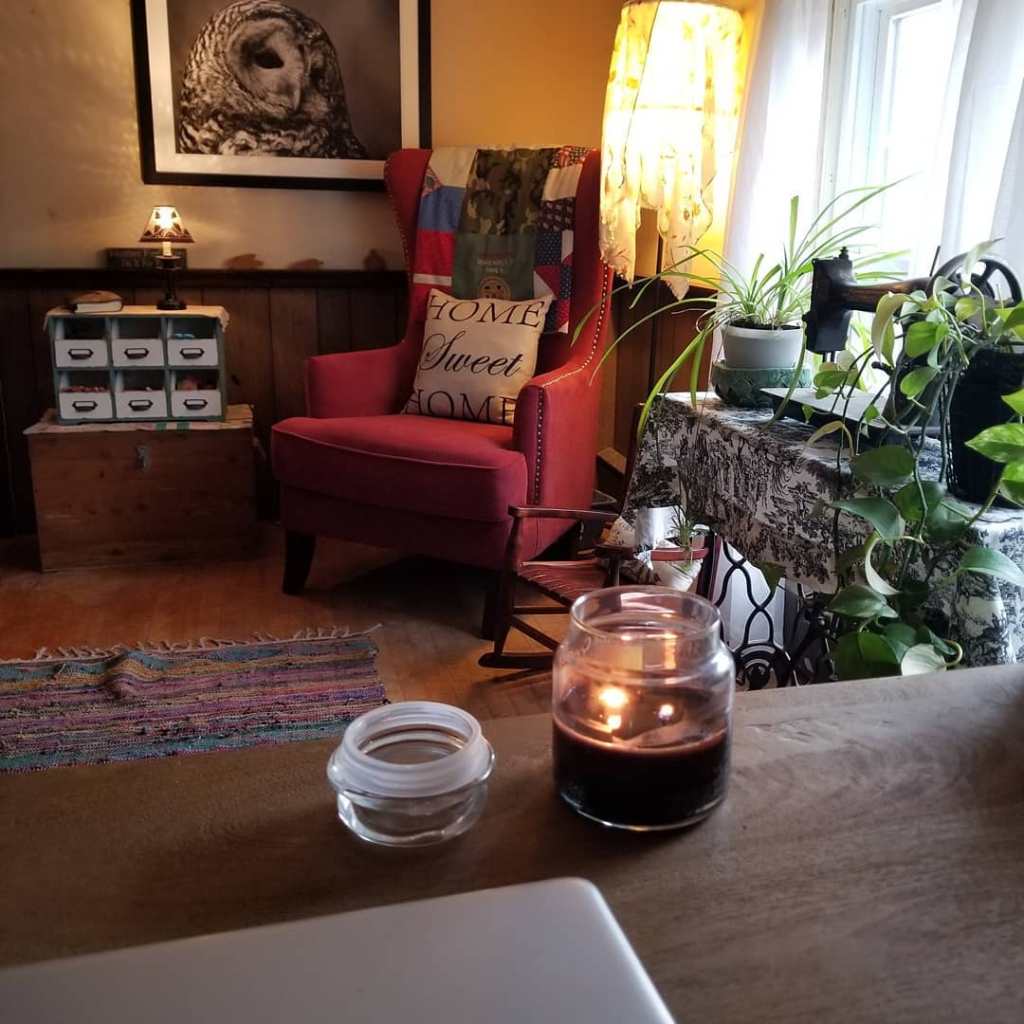
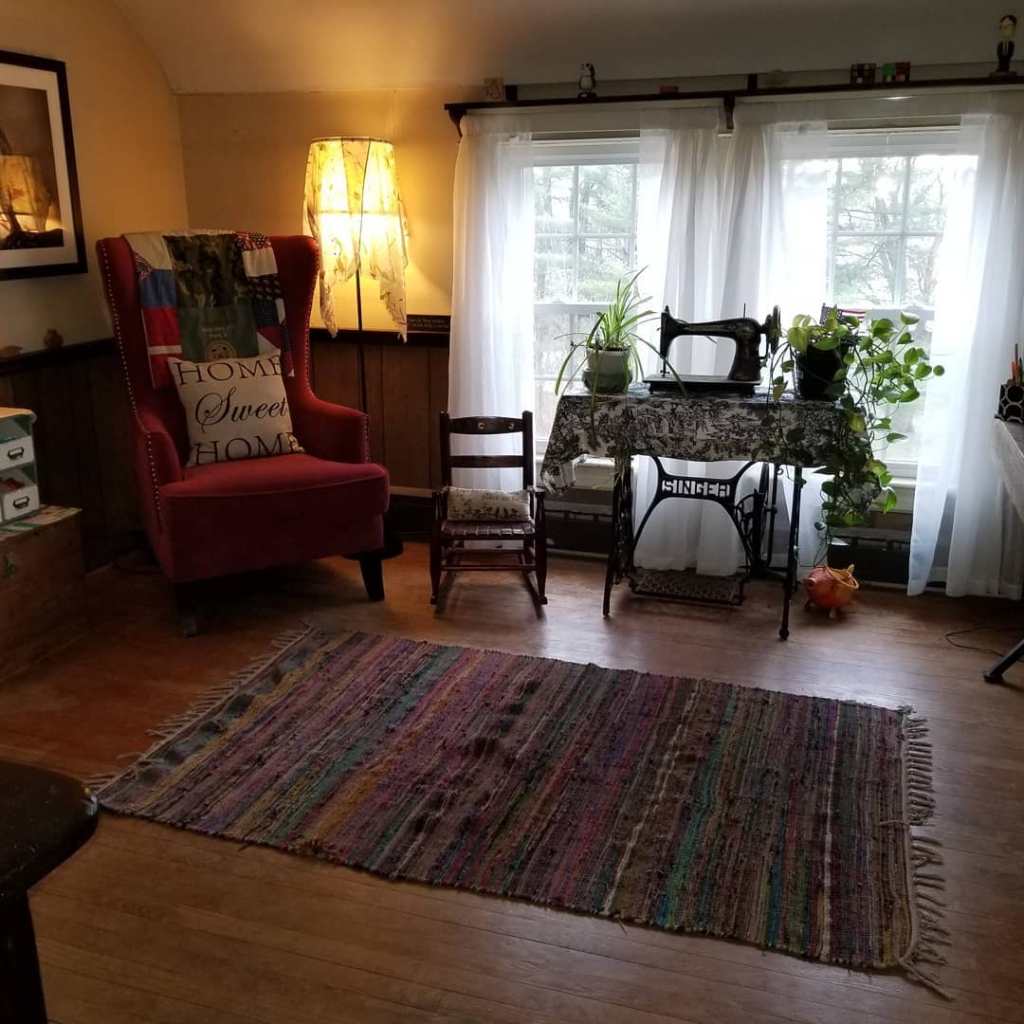
There is a little sitting room centered upstairs splitting the four bedrooms into two pairs. It was full of memories, dust, and mismatched furniture. Nothing was placed neatly in the room and it was just dirty. It is far enough from the kitchen and tucked away from the living areas and noise. It would work, so we took all the furniture out, cleaned the floors, and dusted the shelves.
I used old pieces from different rooms like a sewing machine table and a chair that never fit in anywhere, and we all moved them in to place. The lighting is glowing warm, and I can see part of our wood line and the large field that a young bull moose ran through one day. It’s perfect for that mid-writing space out. There is a ledge under the window that I sprinkled a little bird seed on, and here I am, writing.
I am grateful for the large space we have here between the house, the barn, and the land. I know it’s not common and many don’t have extra space, but for this time of social distancing, the places we are confined to may be able to offer some peace. Keep it tidy and your mind will be tidy. I understand this is not a real problem. People are ill and the world is quite disabled, but our minds and sanity are important. So, boil some water with nutmeg or cinnamon, wash old curtains that have been resting in the closet, and replace the ones with tired arms. Make yourself a corner of the room that makes you happy. Set a timer for seven minutes and tell the kids to see how much they can clean of their room in that time. It becomes a game, a competition. Create a space for yourself. Feed your soul with some harmony.
When I was seventeen, Nana lived in Florida during the winter months and Massachusetts when it was warmer outside. I remember the first time she left and how much it created a sense of emptiness in me. I was desperately sad and would miss the many weekends at her house in Northampton. We ate silver-dollar pancakes for breakfast, then would shop at Caldor and Bradlees. Her house is where I learned to love black coffee, tea berries from the woods of Laurel Park, and open windows in the spring. We used to hear a train in the distance and talk about real stuff like love and God.
When we were apart, we wrote to each other. They were the real kind of letters with the medium white envelopes from CVS. The letters were written in pen, black or dark blue, and you had to lick the back of the American Flag stamps. Nana wrote in small, perfect cursive. I envied her writing, but her words and their meaning are what I didn’t pay enough attention to. She wrote about the Florida grapefruit she had for breakfast, the bright yellow daffodils that were growing in her yard, and she asked about Tyler, my first-born son. He was twenty-four days old.
Our writing stopped for a couple weeks after she found out I was pregnant. I was seventeen and still in high school. She wanted me to be a career woman and own a business one day like she did. She didn’t know what to say to me, or how to complement her modern beliefs with her old-fashioned teachings. She was born in 1925, and grew up believing unmarried women didn’t have babies, especially before they were eighteen.
Of course, she warmed to the idea of a new baby, and it’s hard to resist the charms of Tyler. So, we continued to write to each other, and the words came out fast. I wrote about my upcoming graduation, being a young mom, and plain old feelings. I felt a release and also appreciated writing as an art. I cherish our writings now and refer to them when I need or want to. One common theme she loved to sneak into many of the letters was the importance of study, and to never give up on my dream of going to college. She told me to work hard and I told her I would. Many years later, here I am.
I began a memoir a couple semesters ago and have picked it back up to finish it, and even committed to doing so for an independent study in my course at Westfield State University called Career Prep for Writers. It is taught by the one and only, Beverly Army Williams, and it is, as she said, bonkers. In this course, we learn to create our brand. It includes projects like career exploration and blog writing, as well as activities such as mock interviews and resume writing. The course makes my eyes cross and my jaw throb from clenching my teeth, but I thank God for it every day.
Professor Beverly leads with kindness and joins with compassion, and the group in our class is the warmest collection of supporters and fans any new writer could have. We have all committed to a study that is forcing us to look at the future, and I see evidence of this all over social media. The people in her class have new accounts or are working on old ones. Their brands are being created and they are thriving. I see their smiling faces and new stories, and I notice them actively living. What’s funny is that this “non-traditional” (I’m pointing my thumbs at myself.) student is no different.
Now I must employ this hope and energy and get to work. The memoir was sitting stagnant inside my HP yet still she lingered in my brain, causing disruptions in my other writing and building pressure. That’s why I tasked myself with the completion of it. The accountability was imperative, and I work best with a deadline. (I don’t have much time.)
Nana passed away on June 1, 1993. But she lives in my cooking, my need to be in the woods, and in my words. So, that’s where it all started, my love of writing. I wonder where it will go, or if it’s already moving, and when I can call myself a writer. I love being a mom and fighting fire formed me, too, but one day someone will say, “Teresa, what do you do?” I will say, “I’m a writer.” Cheers, Nana.
Why are we still fighting each other publicly for the world, including our enemies, to see? In my vision, the momentum carries us all to a gradual implosion. The unsolicited comments and chest pounding aimed at each other within our own land is quite embarrassing. Democrats and Republicans are violently defending their beliefs before they are challenged, and the assumptions are creating asses left and right. I wish to see more compassion and concern for humanity, and a little reverence.
Patriotism to me happened after September 11, 2001. We loved each other, and our differences were muted and tamed. Social media was not the prominent armored platform as it is now, so we didn’t sit in our torn armchairs and use our thumbs to attack those with different beliefs.
Loving one’s country does not mean there has to be a quest to kill and hate. I love the USA, but the last thing I want is another war. That’s what we all should want. We need to defend and take all measures necessary to end this conflict and pray it doesn’t grow. Am I wrong? There are people there who have nothing to do with any of this. There are children, gentle communities, and even family dogs who all want peace.
Roger came back from Iraq in 2005 and told me stories about the civilians there, especially the children, and even a scrawny stray dog he befriended. He was unable to communicate with the children using words but they connected through his gentle nature and love for sport. They played soccer and laughed with each other. He was not there to blow up the country. He was there to make it better for the citizens. To him, aggression was the last resort, and a united America was his dream.
Sometimes I place myself in the living room of a modest home in England. I’ll sit in a chair that is older than my name and try not to spill the Earl Grey on my wool skirt. When I peak at my social media or even the news, I wonder about the United States and the words that come directly from the people. I see them argue and point, and the anger saturates their aim at the wrong target; each other. Our allies are watching us bicker.
How cool would it be if the rest of the world sees us Americans as a united bunch of folks?! I recall the love that drenched Roger’s funeral services and how it was wrapped around me and the boys. That is my hope for America. If we do to go to war, knowing we are each other’s allies will strengthen our cause and create a more welcoming environment for others to join.
One thing I have yet to read in the constant banter and judgement, is the concern for those close to the hot areas on the map. I wonder about the civilians of Iran and the surrounding countries, and of course our military will never leave my broken heart.
No, I am not taking a stance on the war, retaliations, or our leadership, and won’t publicly considering my obvious bias and knowledge of loss; I am simply sad for them, us, and all. I have my own beliefs which are complicated and personal. I simply don’t fit into one pod of political definition, and that’s how it should be.
I hate that if I type a “w” in my Google search “World War III” pops up. I fantasize about that twenty-third letter generating words like weed or winter. Wine works as well, or maybe warmth. Some news sources are eating this all up and engendering fear and hate. I’m afraid to go to a movie or put my child on a plane. The violent tension is thick as it hovers over Earth. I want peace and grace, and a little more effort to understand each other.
The United States Marine Corps Silent Drill Team gifts us with an example of how we could unify. The only sound you hear from them is the united taps of heels from their black liquid coriforms, and their twirling white rifles uniformly clicking. The audience should be silent as well, and nobody types daggers at each other. That is called grace, and it is united. We should all take a moment once in awhile to be silent, and simply listen.
I am Teresa Adams. My husband, Roger, was killed in
Iraq in 2009. Roger and I both grew up in Massachusetts. He was born in
Montague in 1972. He went to elementary school in Gill, Massachusetts, and
graduated from Franklin Technical Vocational School in 1990. He loved the
Boston Red Sox, a good ham grinder, and snow, yes, snow. After graduation, he moved
to Kentucky to spend time with his mother.
He wasn’t there long when he decided to join the Marine
Corps. The closest recruiting station was in Tennessee, so he signed his name
and became a United States Marine, and was stationed in Camp Lejeune, North
Carolina. He was an 0352; a grunt.
On leave he would come to Massachusetts to visit with
his family. He spent the holidays, long weekends, and special occasions in
Massachusetts.
Roger and I fell in love on Memorial Day weekend of
1995 and decided to get married. We obtained our marriage license here in
Southampton when the town hall was on East Street. Our ceremony was at the
gazebo in Easthampton, Massachusetts on a snowy night. We were surrounded by
Christmas lights, family and friends, and a brand-new blanket of fresh snow. We
spent Christmas with our families, said our gut-wrenching goodbyes, then I
moved to North Carolina, where he was stationed.
We spent years through multiple deployments to
Okinawa, Mediterranean Floats on Navy ships, his first tour in Iraq, and more.
We had four sons and lived as a traditional military family. We missed him
quite often, and worried constantly. On summers, holidays, and times when Roger
was deployed, we would come to Mass to be with family, because it was home. Towards
the end of our travels on 91 in Connecticut, we always tried to be the first
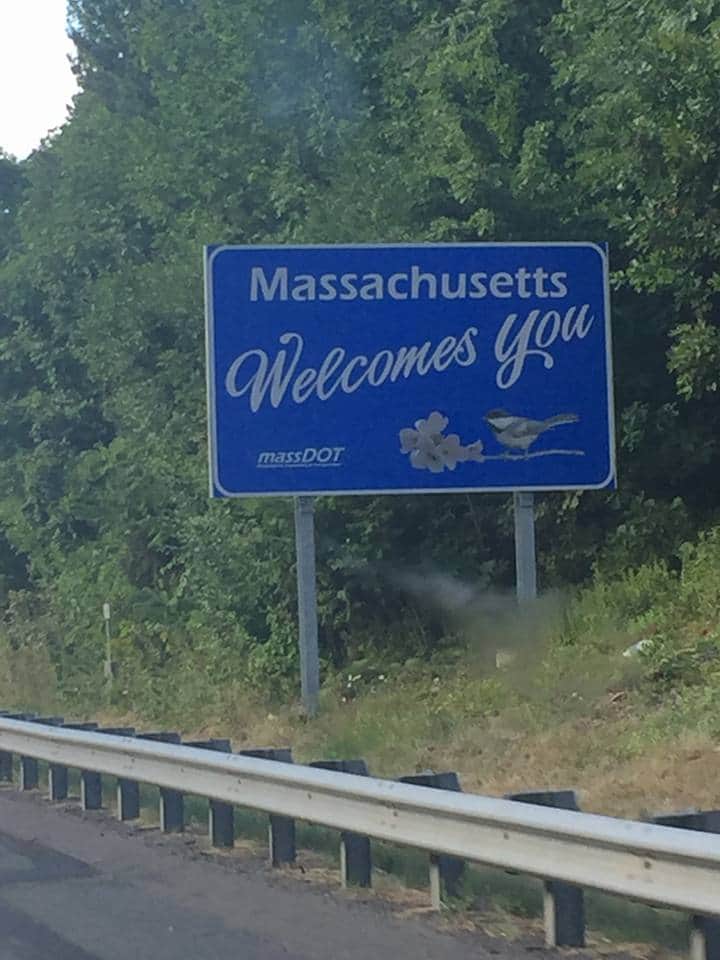
one in the car to see the small blue sign “Welcome to Massachusetts.”
I was in Southampton when I found out Roger died. We
just got to my parents’ hours earlier. Roger had been in Iraq for the second
time. The National Guard came to my parents’ house near the Ponds accompanied
by a police officer from Southampton. They told me Roger was driving a Humvee
and ran over an IED. They also told me he died instantly, and I chose to
believe them.
After a few years of trying to regain some sanity and
figure out what to do, the boys and I decided to move back home to
Massachusetts. I did the math and figured that with the tax break, we would be
able to afford it, so I bought a house in Southampton on Wolcott Rd; one I used
to drive by each morning on my way to Hampshire Regional High School (a very
long time ago).
After we moved in and settled, I filled out the
application for the tax break and was surprised when it was denied. The reason
it was rejected was because Roger did not enlist in Massachusetts, but in
Tennessee.
I have appealed that decision through Boston, and we
went to court in Northampton. I have yet to receive an answer from them. This
is not about my case, but it brought light to this issue. I speak now for the
future homeowners in Southampton, Massachusetts who are disabled veterans or
surviving families.
Veterans and surviving families should be able to come
to Southampton and not worry about being denied their benefits. Reducing the two-year
waiting period to one year for non-residents would greatly alleviate any financial
hardships put on the military members. More than that, it would make them feel
welcomed by this warm, loving town. It would make them feel like they’re home.
It would make them feel safe and give them a better chance to have as normal of
a life as they can.
Each situation is different. The fact remains,
however, that no matter where a service member enlisted, they took an oath to
serve the United States. They did not take an oath to serve solely
Massachusetts, North Carolina, or Tennessee. There are pages of generous
benefits that Massachusetts offers our veterans because there is appreciation
and caring for their sacrifice and service. I cannot allow myself to think of a
disabled veteran, or another surviving family, feeling a little less than, or
not having that sense of belonging, because they are denied. We, as a town,
should help them the same way they helped us. We should open our arms and
welcome them home.
I finally have a decision from the Appellate Tax Board in Boston. They believe that the boys and I do not qualify for immediate tax benefits for Massachusetts, and that we should wait until we reach resident status. I received the letter today instead of yesterday, probably because it was Veterans Day and mail didn’t run, and that would have extra sucked. Either way, I peeled apart the five pages to find a decision within the thick paragraphs.
I was nervous. I didn’t realize how much I still had hope the decision would be in our favor. As I searched, I imagined the floors I would have fixed, a new back door for the basement, and the cards I would send to people who have worked hard on this to thank them. I feel silly about that now, but it was fun for a few seconds. After some serious dissection of fancy words, I found this:
“The Board conveys nothing but respect for Mr. Adams, his service for this country, and his death in the line of duty, and it acknowledges the profound loss suffered by Mrs. Adams and their four children.” (I wonder if you can guess the next word.)
Ding ding ding! “But…” In a nutshell, we simply don’t qualify as true Southampton townspeople. It’s the law, and the town spotted it. I don’t hate living in a town that has my back like that, I suppose. It still made me sad, but I need to get over it.
I’m not mad (Except the part where they say we came here to go to school. Um, no). People were doing what they really thought was right, and the way it’s worded, they are absolutely correct. Even though our heart is here, Roger didn’t enlist in Massachusetts, and we lingered too long in North Carolina after he died. I didn’t know what the fuck to do. I was so confused, and still am, ten years later. And that is why nobody should have to deal with this ever again. We’ll start with Southampton and continue infinitely.
Here’s the deal…It’ll be on the ballot next election. The people of Southampton decided to put it on. I am thrilled! It means that any veteran from ANYWHERE can receive their town benefits, and instead of waiting two years, they will only wait one. Huge!!!! It was cool to be present for that meeting, and even the boys were able to vote (Max’s first time). It was just special. Please, talk to your friends about this at voting time. Here’s what I said at the town meeting. It may explain what’s going on with the law: https://teresaforesteradams.com/2019/11/12/southampton-town-meeting/
I wish there were more ways to thank people. I’m usually good with words, but people have been the best support, even shaking me when I want to quit this quest for the next military connected families who may have to deal with this. There’s love and patriotism that feels warm. It’s like a soft blanket. Anyway, thank you. The boys and I feel welcome here anyway, because it’s home, and you all have made us feel safe and loved.
He had no teeth until they took turns erupting through his fresh gums, and it hurt so he bit his mom’s cracked breast. Then he walked a little with his chubby legs and turned-in toes, stopped shitting his pants, and went to school. After that, he went to more school and married the girl with yellow hair, made a resume, and was away nine to five. He retired, and they gave him a party at the local VFW with balloons and potluck meatballs mixed with ketchup and ginger ale. His parents died of cancer and heart break, and his wife loved another, so he learned how to warm canned meats and TV dinners. Then his grandkids drove him to the doctor and they started being really nice to him. They didn’t want to change his diapers and blend his milkshakes, so they put him at that place that smelled like rotting meat. He met friends that died, and he watched the fish in the tank as he drank out of Styrofoam. The watery coffee was chilly and transparent. He took out his teeth and closed his vanishing eyes.
In my previous blog, “Hometown Love,” I wrote about my court experience against Southampton, Massachusetts, and voiced some frustrations and hurt feelings that came from it. (I need to say again that the people I’ve spoken with at the town have always been kind and respectful to me.) I figured maybe twenty people or so would read the post, but it grew like one of those little foam capsules that turns into a dinosaur. The views increased by the minute and people shared the post on social media all over the place!
At first, I didn’t think it was a big deal, then people started to contact me in many different ways wanting to help. I told them that we should redirect the anger towards a positive future for survivors and veterans. I think we should fight to let the people vote to waive the two-year waiting period for those who aren’t from Massachusetts. Anyone should feel welcome here, and the voters are the ones who should decide it. Right now, if we keep this alive, that’s the best help.
“What if we can get the town to pass this change because of Dad?” I said to Tyler a few days ago.
“What if it goes federal?” he answered. Anyone who knows Tye won’t be surprised by his ambition, and he’s right. We need to at least try.
I love the energy this is getting. In many comments, people reminded me to look around and see the beauty and peace this town keeps. I also saw, once again, the kindness and love in the people of this town. It’s incredible fuel for us, and I’ve slept so well the past few nights. There’s an intense appreciation for his sacrifice as well as warmth and a sense of true community.
I especially love that thousands of new people are seeing Roger’s name. They saw his picture and there are many new readers of my memoir pages. They’re learning stories about him and seeing what a Gold Star family was before they were known for his sacrifice. Along with the energy, as long as it doesn’t fizzle, a little information about the benefit itself will help in our quest.
Here is an example of how the benefit works: (The link is listed at the end of this page showing the breaks and qualifications.) Let’s say Jane was born and raised in Massachusetts. Jane meets Bob in North Carolina when she is visiting her friend. Bob is from Wisconsin. They fall in love, marry, and live together on base. Bob goes to war and is killed in action. Jane wants to go home to Massachusetts to be with her family but does not qualify for the benefits to assist her financially. This is because Bob was not from Massachusetts. There are other scenarios, and they’re all confusing. My point is; Jane should be able to go home to her family for the support she needs. She should qualify for the tax break. Every state is different, and the towns and cities also have some say. The benefit is so generous, and completely needed.
I spoke with someone who told me that states want to take care of their own. I also talked to someone who said the people in the cities and towns would never vote to approve waiving the two years. There was also concern voiced about survivors and disabled veterans coming here in droves holding flags and needing care. According to Zillow.com, the median house price is $407,000 in Massachusetts, and one of the reasons that disabled veterans and survivors won’t flock to the commonwealth simply for the tax benefit. People come here because they have a reason to, not because the benefits will outweigh the cost of living. In order to live here, some need those benefits. When a family member is killed in action, the country is generous to the families as far as I know personally, but the income they receive is the same no matter what state they live in. I can tell you firsthand, it doesn’t go as far up here. Massachusetts is a little pricey, so I’m sure the offset takes the edge off.
What else helps is the support the boys and I have been receiving. We feel the love and shared frustration. Because of the messages and well wishes, I feel more confident to move forward for the rest that will have to deal with disappointing denial letters. I’m trying to respond to everyone, but I feel like some are getting lost in space and I’ve never been known for my computer skills. I even welcome the messages and comments against my fight for the future veterans and survivors, because their information helps better my knowledge.
I believe that together we can try our hardest to peacefully change or clarify the laws to make our disabled veterans and Gold Star families feel a little more relaxed and wrapped up in the town’s arms. All I want is for the people in each municipality in Massachusetts to have the ability to vote to waive the two-year waiting period. Let the citizens decide.
More than anything right now, though, I thank you all.
I grew up in Southampton, Massachusetts near Hampton Ponds. The kids in my neighborhood were called “Pond Scum” by others, and eventually we decided that it was a term of endearment. I walked to Mahoney’s package store to buy candy with babysitting money, attended the Primary School before it was the town hall, and William E. Norris until sixth grade. After that, I went with all the other Southampton kids to Hampshire Regional High School, and graduated in 1992. After I turned twenty-one, I fell in love and married a marine, Roger Adams, and we moved to North Carolina. He was from Greenfield.
I walked into the barn and looked at the new mouse traps. I got them a week earlier from Amazon. They were on sale.
The reason I waited to set the traps is because of something that happened a week prior. Baylee was walking and almost stepped on baby mouse that was scurrying under him. He was maybe the size of a nickel with a tail. We think he got lost or something and wasn’t ready to go solo in life, yet. I put a few drops of water on him and he reacted, so I figured he may have a chance.
I took an old Pop Tart box (WTF is wrong with me?) and tore off the top flaps. I turned it on its side and used a stick to gently push the baby mouse into the box. At this point, he wasn’t moving at all. I remembered I had a small bit of heavy cream for a ganache in the fridge that was turning. I ran into the house and got it.
I put a small amount of the almost rancid cream on his mouth and he started audibly smacking his lips. His fuzzy little hands finding his mouth to help push the liquid in. I put some chicken food in the small puddle of cream that I poured and let it sit in the box with him. I was fully prepared to find him dead in the morning, little fingers and toes all stiff. I would use the Chocolate Chip Cookie Dough Pop Tart box as a coffin.
The night wore on and I could not stop thinking about this stupid baby mouse. I woke up in the morning, and even before I let the chickens out, I checked the box. I bet you can guess, there was no mouse.
“Something probably got it,” Sammy said.
“Um, what could get the mouse in a locked-up barn, and nope,
he lived,” I said.
Inside the Pop Tart box were tiny little baby mouse poops. He must have been a little dehydrated or injured. I felt a sense of euphoria at having saved his life. I tossed the box into the trash can with the bright yellow liner.
Later that day, I went into the porch and noticed some Amazon boxes and dog treats (My mail carrier is better than yours). My body exhibited the Amazon.com high, the one that makes you want to almost dance. I tore into the box.
Mouse traps. Four. The kind that hide their bloody faces so the murderess can drop them into the trash without feeling badly. I put them in the barn and ignored the blaring hypocrisy.
A week or so later, more evidence of mice appeared. I took four traps out of four yellow boxes. I squinted as I read the directions. Steps one, two, and three. I used frozen pizza cheese from one the kids didn’t like.
The next morning when I went into the barn, I looked at the first trap on the top step. The metal piece was still all the way back which means there’s no mouse in there. The next two were on the landing, and one was half-way back.
“Shit,” I said out loud. At six AM. I was alone.
I turned away from it and went to do my morning chicken chores.
After I was done, I left their room. As I entered the main barn area, I felt the presence of the animal I killed. I walked quickly out the front door not looking in its direction. I prayed it wasn’t my mouse.
After a few hours, I found the courage (Baylee) to go back to the barn and take care of the animal in a respectful way. With my child at my side, I put on a glove and grabbed some menacing looking wire snips in lieu of pliers. I looked at the trap and saw the mouse’s soft little body and pointy tale coming out of the back.
“Oh, man,” said Baylee.
“I know I feel bad. We can’t have mice here.”
“I know, Mom. It sucks.”
I picked up the trap with my gloved hand, and it was noticeably heavier than it was the previous day. I held it over the trash can while I pulled the lever all the way back. There was a crinkly sound as it fell on something plastic. It was larger than my Pop Tart mouse. Relief.
Baylee and I went back into the house quietly. I washed my
hands a few times and turned on Little House on the Prairie. Did you
know Charles Ingles is left-handed?
On June 29th it’ll be ten years
since I lost my husband, Roger Adams, Jr. when he was killed in Iraq. During the
last few months, I have been working on a memoir. It began as a project for a
writing class but seems to be finding its way to more people each day.
“The way you write brings him back,” one
said.
“I remember his crooked smile, too,”
another commented.
“I love the way you describe his Dress Blues and how the cover compliments his full lips,” is another nice comment.
Writers observe details and share them. The reality is, my gift curses me with vivid pictures of his face, the feel of his coarse palms while we hold hands, and the smell of his uniform’s sleeve. I can close my eyes and softly rub my face on the chest pocket of his cammies and feel the soft thickness of the material. I smell the barracks room on his neck, Pine Sol and Camel cigarettes, and can hear him say, “hon” like it was this morning or last night.
I will write all day long, with breaks for lunch or a walk to the brook in the back of my property. I will then play corn hole or croquet with my sons, have some wine, then sleep. I try to aid my sleep with sitcoms such as “Friends” or “Golden Girls” to cloud my Roger-filled mind. I felt selfish when I began this ritual until I recently started having the dreams again and became tired of wiping my eyes.
The one I had the night before last was of Roger, me, and our four sons when they were little. He and the boys were swimming in our modest pool at our little house in Jacksonville, NC. We just cleaned up after dinner of something with gravy, and his favorite pineapple upside-down cake with extra red cherries. The sun was caressing my shoulders, and the grass was cool on my bare feet. I watched them play and listened to them laugh and splash around. Occasionally, the cool water would come my way and they would all giggle while I dodged it. Roger looked at me the way he always did, with a little smile and crinkled eyes, and I felt safe.
The great torture that comes with waking up from a dream like that can be debilitating. Mine lasted all day yesterday, and I awoke this morning with a cloudy vision of it. The clarity of his face, tanned worker hands, and the smell of his neck, is once again diminished, and I am thankful for that.
“How can you want his memory to diminish?” I have been asked.
“His memory will never be diminished,” I have said, not violently defensive, because once, I didn’t understand either. It will always be clear and rich, but in order for me to carry on with a full life without him, I must be allowed and able to put the images in a special room in my mind, so I made him one.
I made Roger’s room nice for him, and it’s
filled with his favorite things; his dad who passed last year, and the many pets
we have lost after him. I just know he and his pops are playing cards, and he
is tossing the muddy tennis ball around to the dogs. The Boston Red Sox will be
heard on his old shed radio and Big Papi is at bat once again. There will be
cheeseburgers and chocolate chip cookies, still warm, and Dr. Pepper in a cold
can. The walls, which are not inside or outside, are plastered with photos of people
he loves, especially our four boys. And, this Patriots fan even gave him a small
49ers pennant to hang in a corner somewhere. It is a room, but has no boundaries,
and it smells like the wool on clean dress blues and freshly cut grass. He can
build furniture and splash in the pool while he waits for us, and he can visit whenever
he likes.
Roger is always in my mind, and him having his own space helps me to be OK with not focusing on him, and the guilt of moving on with life while he’s not here. He still comes to the front of my mind in my dreams, but as long as he has his own place to go to allow me to breathe, the more I am able to cope without the challenging blues that come after a good dream. Being a left-behind mortal can be torture, but with silly little coping tools like Roger’s room, living can be more than tolerated, it can be quite nice.

















 Teresa Forester Adams